How Much Seed Garlic Do I Need?
First, figure out how many bulbs or pounds of garlic you would like to harvest. Are you a garlic fanatic eating a bulb a day, or a week or a...



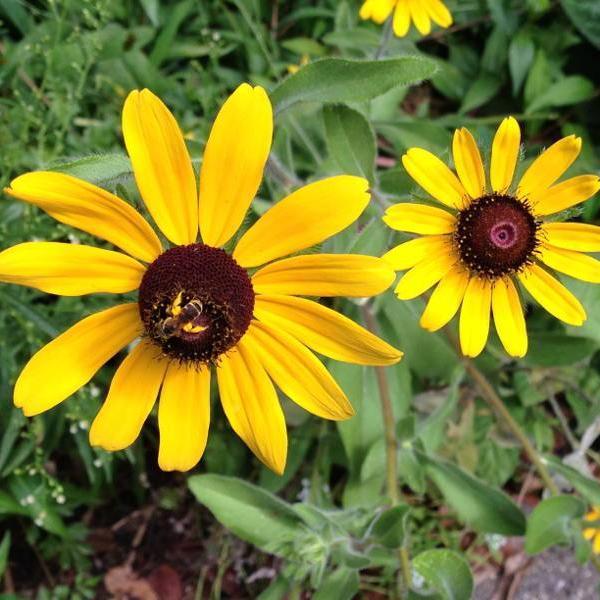
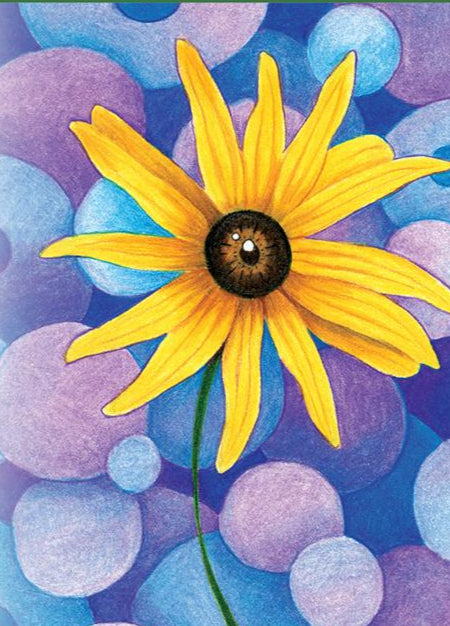
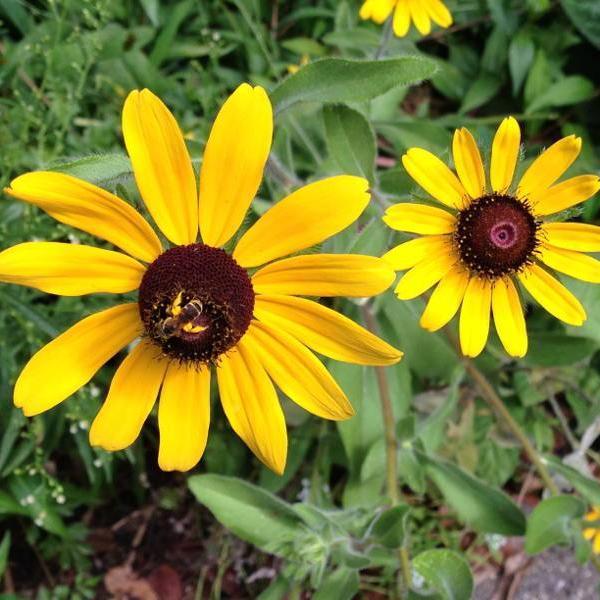

Nothing quite says wildflower like the stunning Black-Eyed Susan. Gorgeous, sunny, yellow petals surround a dark brown center, the eye. This is a cottage garden favorite for its easy to grow habit and ability to produce hundreds of blooms throughout the summer and fall. These attractive blooms attract many different types of pollinators and their seed heads are beloved by birds. Black-eyed Susan’s make an excellent cut flower with up to ten days of vase life. Rudbeckia hirta is one of several Rudbeckia species that are native to North America. They are commonly found growing by roadsides, in meadows or open fields, and on the edges of forests. Try incorporating them into your garden as a border planting, along pathways, or in containers! They appreciate drier, well-draining soil as they cannot tolerate wet roots for extended periods. Seeds should be cold stratified for best germination. They are hardy in growing zones three through nine. Perennial.
First, figure out how many bulbs or pounds of garlic you would like to harvest. Are you a garlic fanatic eating a bulb a day, or a week or a...

Growing fall bulbs is easy, but it helps to have a little guidance! That's why we wrote these beginner-friendly growing guides for our most popular fall crops: How to Grow...

Fall gardening is the most underrated gardening season of the year. It’s often overlooked after a long summer season. But instead of skipping out on fall gardening this year, we...