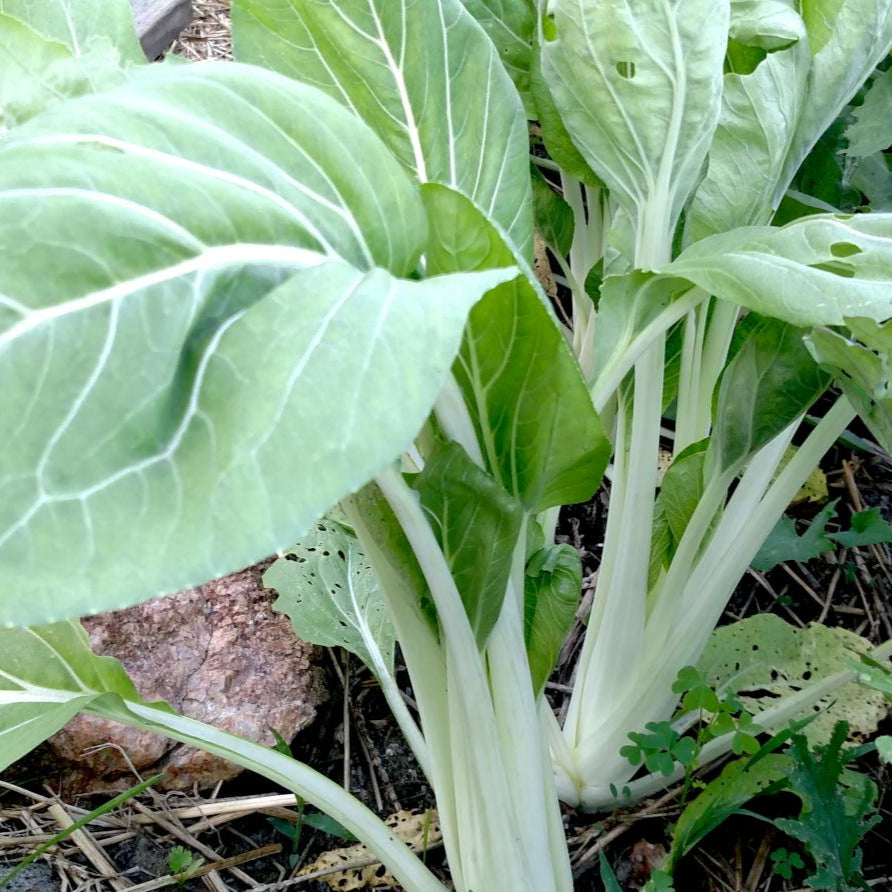
What is the difference between Bok Choy and Pak Choi?
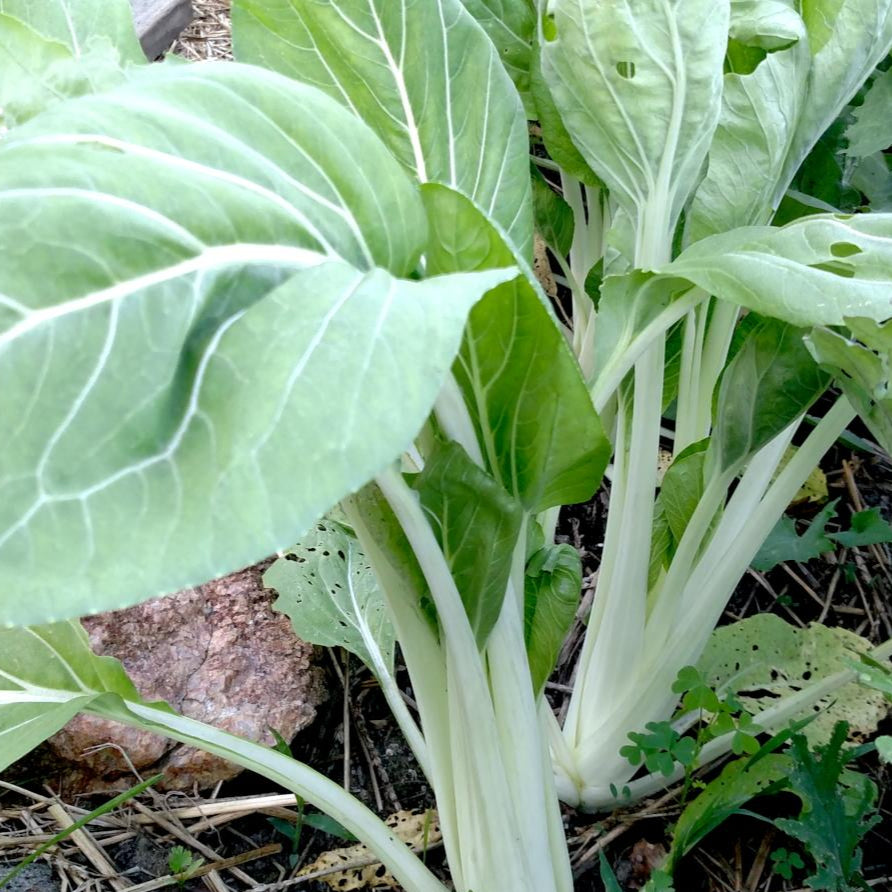
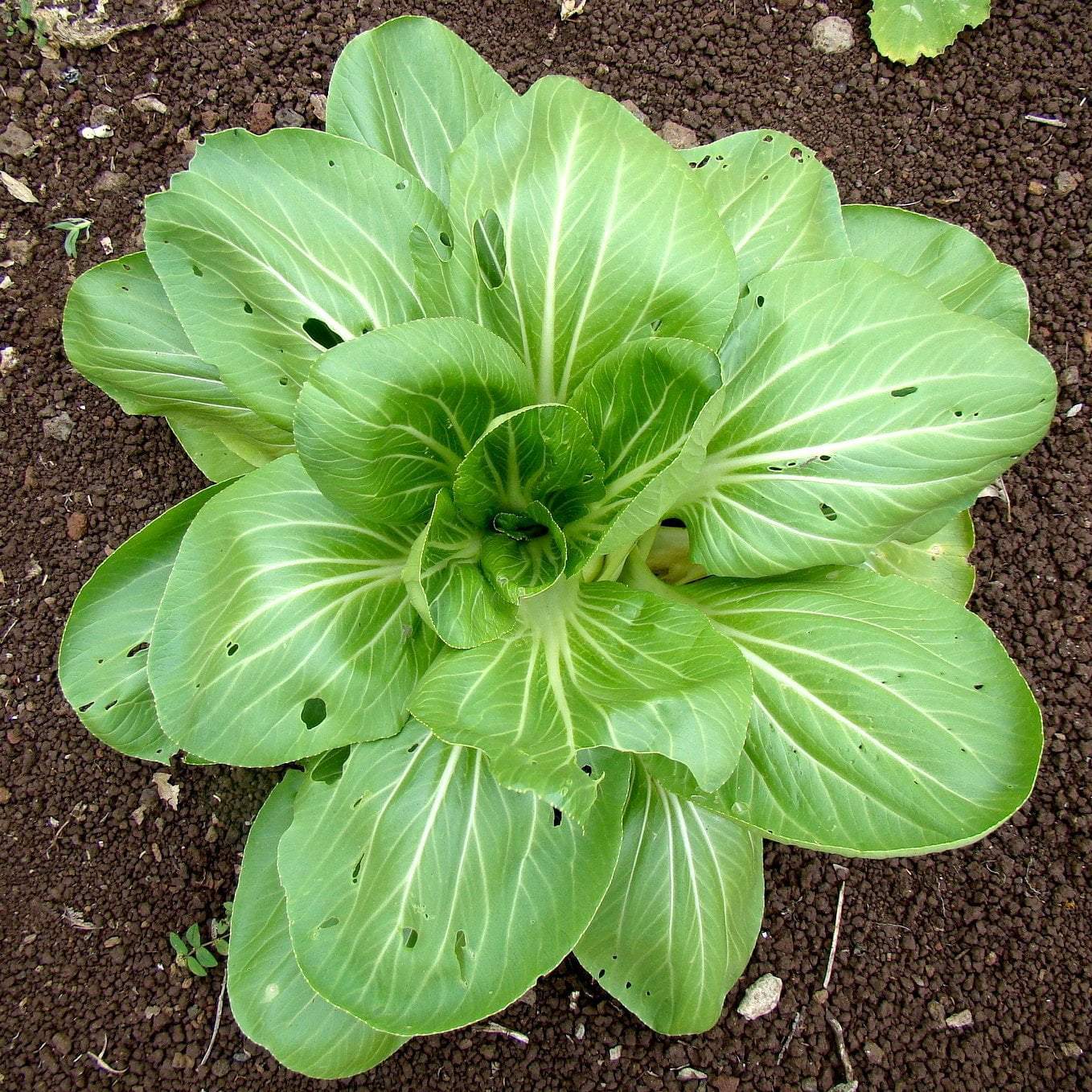
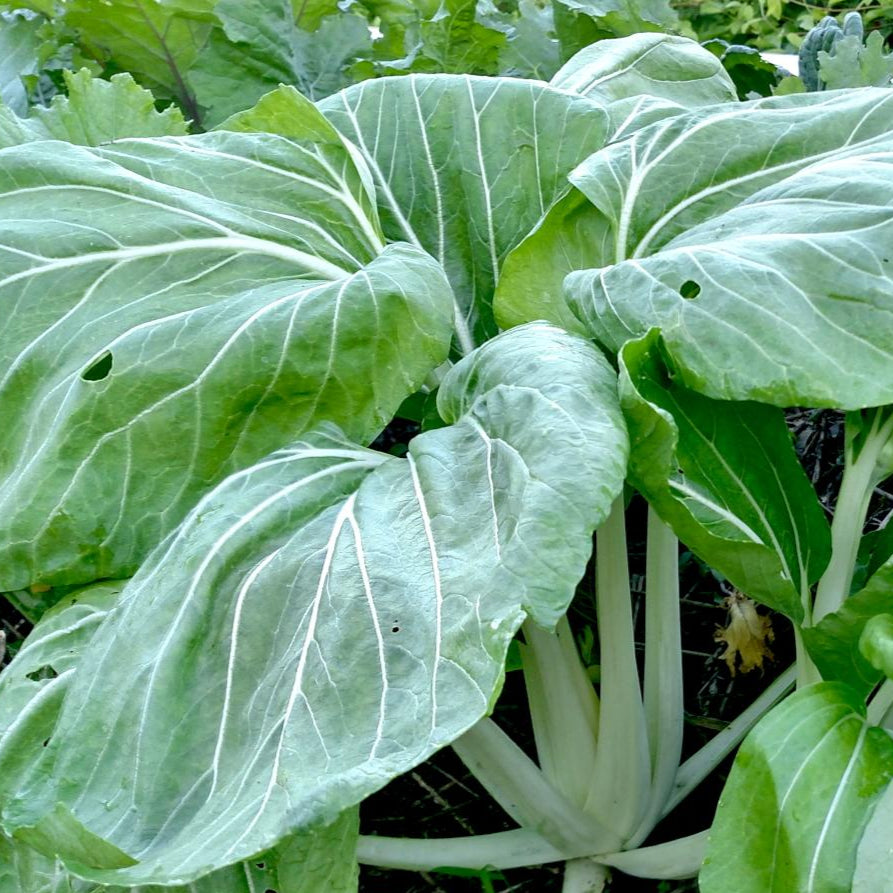
Bok choy and pak choi (and any other number of spellings) are often used interchangeably. Does it matter? Is there a difference? Let’s get into it. Pak choi is sometimes referred to as the British version of the name. However, other folks will make a distinction between pak choi typically having a green stem and bok choy having a white stem. The green stemmed and white stemmed version of the plant are the same species. Whatever you call it, this asian green should most certainly be growing in your garden.
How to Plant Bok Choy Seeds
Bok choy seeds could not be easier to grow. You’ll want an area with full sun and well-draining soil, but at only 45 days to harvest, you can squeeze this crop in just about anywhere.
Seeds should be sown indoors in the spring, about four weeks before your last frost date. In a seed tray with well-draining, nutrient rich soil, sow your bok choy seeds ¼ inch deep, with one to two seeds per cell. Pat down the soil lightly to ensure adequate seed to soil contact. Bok choy should germinate pretty quickly, between three and 12 days, depending on moisture and temperature. You’ll want to ensure you keep your seeds well-watered until they germinate and throughout their growth. We recommend watering twice a day but ensuring the soil is not sopping wet. These same directions apply when direct seeding bok choy as well.
When starting your seeds indoors, it will be helpful to provide high quality grow lights to your bok choy seedlings. Ensuring that your seedlings get enough light will help prevent them from getting leggy or stunted before they’ve even had a chance to thrive. In most areas in the spring there is rarely enough light to grow healthy seedlings, even in the sunniest of south-facing windows.
When to Plant Bok Choy Seeds
Like most cool weather, fast growing greens, we recommend starting your bok choy seeds indoors about four weeks before your last frost date in the spring. For a fall harvest, you can direct sow bok choy seeds into your garden in late summer. Cold temperatures in the spring can cause issues with your bok choy if you try to plant outside too early. But when sowing in late summer, temperatures are warm and comfortable, which makes bok choy mature quickly and confidently, producing mature plants that are cold hardy and frost tolerant.
When seeds are started indoors and transplanted outside, they have to be hardened off. Hardening off is the process of acclimating your plants to outdoor weather conditions and temperatures. Inside your home or greenhouse, your seedlings have been coddled. Outside in the garden, things are a little different. Hardening them off will allow them to adjust rather than experience shock once planted outdoors. About a week before you plan to transfer your plants to the garden, you’ll begin leaving your plants outside in a partially shaded area starting for an hour or two. You’ll slowly introduce them to full sun and longer hours outdoors over the course of a week or two. Once you’ve completed this process, your transplants can be safely planted out in the garden.
Where to Plant Bok Choy Seeds or Transplants
When considering a location for your bok choy seedlings, select a location with full sun, ideally with eight hours of sunlight per day. They will love rich, well-draining soil. Before planting, soil can be amended with plenty of compost and organic matter, especially if you deal with clay soils like we do here in zone seven.
We recommend rotating all of your crops. Try to select a location that hasn’t had other brassicas in it in the last two to three years. Ensure that your bok choy seedlings will be able to grow at their mature planting distance of eight to 12 inches. Overcrowded bok choy means less airflow, plants competing for nutrients, and faster spread of disease and pests.
How to Transplant Bok Choy Seeds
When transplanting your bok choy seedlings, take care not to disturb the roots. We recommend digging a hole about twice the size of the root ball of the transplant. At the bottom of the hole, you might consider including some water soluble balanced fertilizer (the amount will be specified on the box or bottle). Adding fertilizer can give your bok choy and other crops the boost they need to grow strong and produce effectively, but in the case of many greens, it’s largely unnecessary. Water thoroughly at planting time. Continue to water frequently in the first few weeks to help get the plants established. Mulching is also a good idea to conserve moisture and decrease weed pressure.
How Often to Water Bok Choy Seeds
As always, it is really important to water regularly and maintain soil dampness from the time you plant a seed until it is a more established plant at which point it is better equipped to handle environmental stress. Not watering enough is the number one reason people struggle with germination and survival of seedlings!
When to Harvest Bok Choy
Harvesting bok choy is truly foolproof, as you can harvest at any stage of growth. When you thin your seeds, toss the discarded thinnings onto your next sandwich like microgreens! Love some baby bok choy in your curry? Harvest when they’re only a few inches tall. Can’t wait for them to mature? Pull off the outside leaves, allowing the crown to keep growing to maturity for a later and longer harvest. Ready for a full sized head? Use a sharp knife to separate the head from the roots at soil level.
There is one rule to harvesting bok choy. We recommend harvesting before your area starts getting hard freezes as this will kill off the plant and it will become mushy and inedible.