


Collections


All Books
View collection


Amaranth Seeds


Anise Hyssop Seeds
View collection

Anise Seeds
View collection

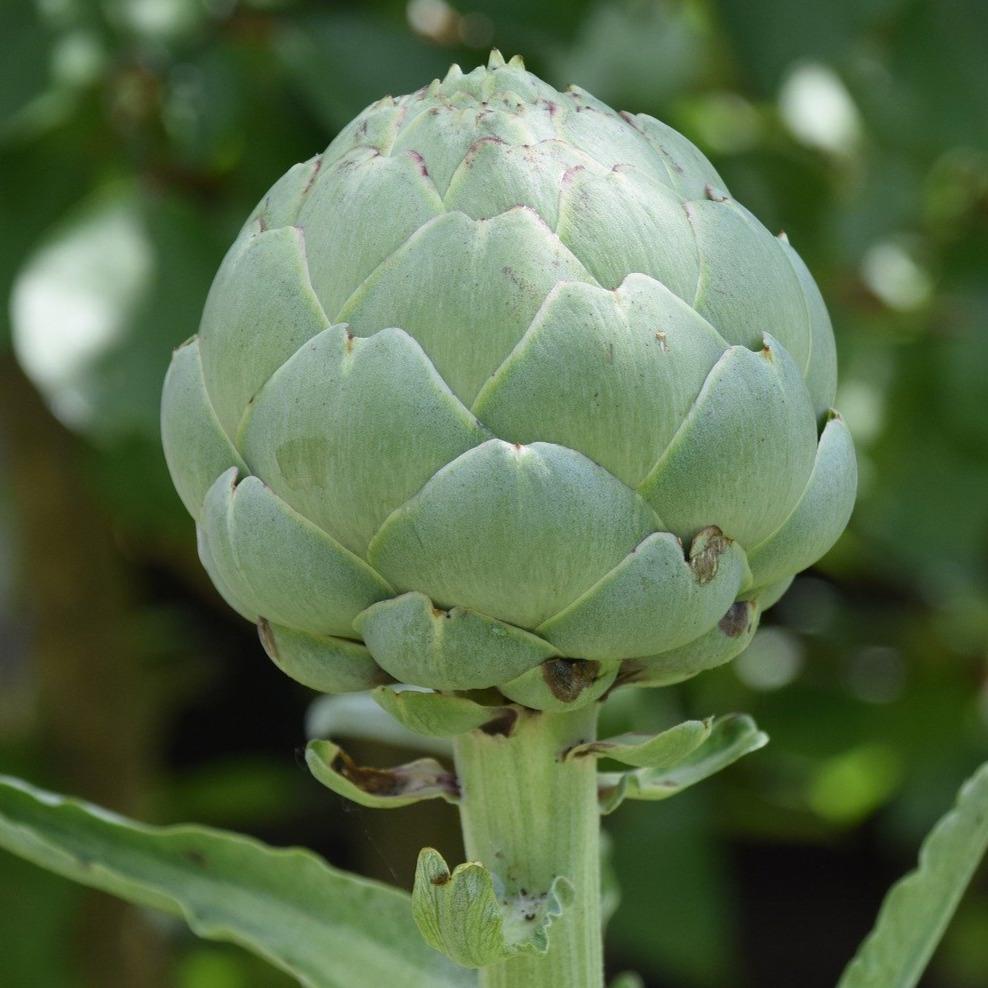


Arugula Seeds
Also known as rocket, garden rocket, or roquette, arugula has a loyal following, and for good reason! Its distinctive nutty flavor is unlike any other green, and is indispensable in your salads and sandwiches, or on top of your pizza. This quick-growing, cool season green could not be easier to grow, and is often ready to harvest just four weeks after planting.
View collection


Ashwaganda Seeds
View collection
Asian Green Seeds


Asparagus Beans
Asparagus beans, also known as yardlong beans, are technically not beans at all, but are actually the same species as Southern peas (cowpeas). Like Southern peas, they perform exceptionally well in hot and humid climates like the American Southeast and Midwest. The climbing vines produce flowers that are great for pollinators, and loads of long, slender pods that can be used much like any green bean. Though still a bit of a novelty here in the states, asparagus beans are a major vegetable in many Southeast Asian cuisines, where they are a prized ingredient in a number of different stir-fries, curries, and soups.


Asparagus Crowns
Pre-order Information
Pre-order for 2026 Asparagus Crowns will be available on January 1st 2026
Estimated shipping window for Asparagus Crowns March 9th - 20th 2026
View collection

Asparagus Seeds
A mature asparagus bed signals the coming of spring, pushing up delicate new shoots when winter makes its exit for another year. A native perennial to the Mediterranean and cultivated for many centuries, a well planned asparagus bed will deliver tasty delicacies for decades. Rarely considered is the beauty of the mature plants with a lacy fern-like structure which develops after the harvest has ended for the season. While inedible, delicate red berries arrive on the female plants in the fall for a pop of late season color. Unless you can flash freeze asparagus, this is one vegetable to be enjoyed when it is fresh, and then eagerly awaited next season. Nutrients: dietary fiber, vitamins C, K, B6, and A, magnesium, calcium, phosphorus, iron and zinc.
Companions: basil, marigold, nasturtium, parsley, tomatoes.
Antagonists: none known.


Barebones Garden Tools
View collection


Bean Seeds


Beet Seeds
Oh, the humble beet! This workhorse of a vegetable will find its way to the table in so many forms - roasted, boiled, raw, pickled, sautéed, pureed in soups, juiced, and dehydrated. Roots can store for 1 to 4 months without the tops, bringing bright and nutritious food to the dinner table in the middle of winter. Of course, the greens are delicious too, and can be cooked just like spinach or chard.
View collection


Best Sellers
View collection


Bio-Mass Builder Cover Crops
View collection


Black Mustard Seeds
View collection
Books: Gardening
View collection


Books: Preservation and More
View collection


Books: Seed Saving
View collection


Books: Top Sellers
View collection


Broccoli Seeds
Broccoli is a delicious, nutritional-powerhouse vegetable that’s hard to beat! It is a member of the cabbage family (Brassicaceae) but unlike cabbage, it is grown for its flower heads and stalks, which are packed with vitamin C and vitamin K as well as iron and other minerals. Broccoli was first developed in the ancient Roman Empire, and has traveled over the centuries to become a favorite all over the world. Learn about how to grow broccoli on our blog!
View collection


Brussels Sprouts Seeds
As their name implies, Brussels sprouts originated in what is now Belgium and Flanders. This cold-hardy member of the Brassica family produces long stalks of side shoots that resemble tiny cabbages. Sprouts can be harvested through much of the winter by starting the harvest at the bottom of the plant and working one’s way up the stalk.
View collection


Bulbs & Live Plants
View collection


Bulbs & Tubers
View collection


Bunching Onion
View collection


Bush Bean Seeds
Bush beans are a great option for a quick, easy snap bean harvest in a limited space. Most varieties grow to about 2 feet tall, and don’t require any trellising. The tradeoff is that usually bush beans produce just one or two flushes of beans, whereas pole beans will often keep producing over a longer season. Many gardeners grow both types of beans - bush varieties for early harvests and/or canning and pole types for heavier yields. All the varieties on this page are typically grown for snap beans, but there are bush varieties for drying beans as well - check them out in our drying beans collection.
All common beans (Phaseolus vulgaris) originated in the Americas, and were probably first domesticated in what is now central Mexico, along with corn and squash. Beans were a staple of indigenous diets throughout much of North and South America for millennia, before early European colonizers brought them back to their countries in the 16th century, and the common bean subsequently spread across the entire globe.
View collection


Cabbage Seeds
Cabbage has found a home in so many of the world’s culinary traditions, it could be a vegetable ambassador to the UN! Think of fermentation alone - sauerkraut in Germany, kimchee in Korea, or curdito alongside pupusas in El Salvador. Then there’s the coleslaws of American picnics and stuffed cabbages of Eastern Europe and the spicy soups of China. While there are too many recipes to name, the simplest might be a light sauté with butter and salt to bring out the mellow sweetness of this underrated vegetable.
View collection


Calendars and Planners
View collection


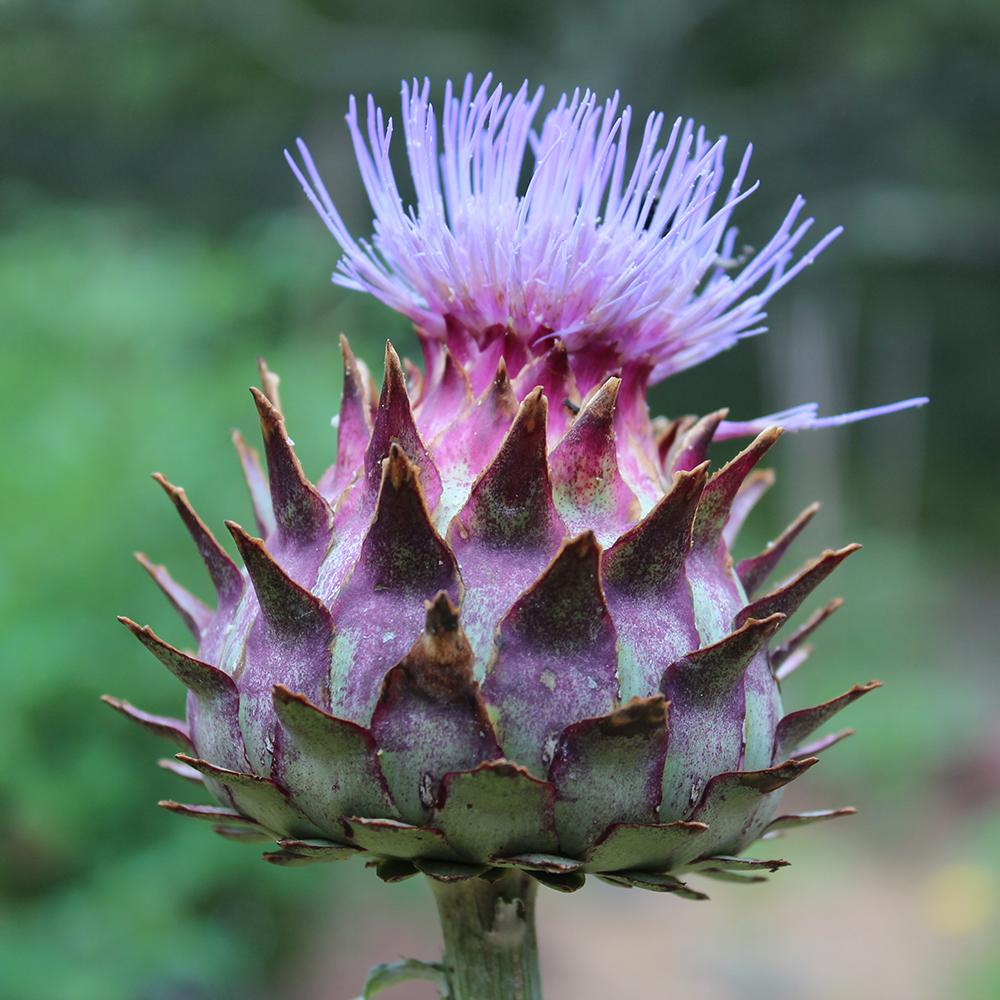


Cards, Stickers, Magnets + more!
View collection


Carrot Seeds
A fistful of carrots pulled from the garden brings out the childlike delight in everyone! There’s a whole rainbow of colors, shapes and sizes to choose from. Gardeners with clay soil should choose short, stocky-shaped varieties for the best results, while growers working with looser soil will have better luck with the long and slender types. Carrots are a cool-weather crop best grown in spring and fall, and always taste sweetest after being frost-nipped.
View collection


Catnip Seeds
View collection

Cauliflower Seeds
Cauliflower was first developed in Cyprus during the 12th century. From there, it traveled to Italy and France and then spread across the globe. Our word “cauliflower” comes from the Italian cavolfiore literally meaning “cabbage flower,” and this plant is indeed a member of the brassica family, closely related to cabbage and broccoli. There are lots of ways to eat cauliflower that are far from bland! Try it roasted with crispy edges, sautéed, pickled in chow-chow, or mashed with blue cheese. Cauliflower freezes well if cut into florets, blanched in boiling water for a couple of minutes, then cooled quickly.
View collection


Celery Seeds
Celery is a refreshing, crunchy treat from the garden that clears the palate with a pleasing bitterness. It’s used extensively in salads and soups and is also great when juiced. Its wild relatives can be found all over Europe, but it was probably first cultivated in ancient Greece, and it has been prized as one of the earliest fresh vegetables available in spring ever since.


Chicory Seeds
View collection


Clary Sage Seeds
View collection


Collard Seeds
Collards are native to Europe like their close cousins cabbage and kale, but probably first came to North America from Africa during the era of the transatlantic slave trade. Collard greens could be found in nearly every kitchen garden tended by enslaved people throughout the Southern United States before emancipation, grown as a supplement to the unhealthy rations provided by plantation owners. For this reason, collards remain an important symbol of African American cultural resilience and a key ingredient in Southern cooking today. Traditionally, a “mess” of collards is cooked with fatback or ham hock and often combined with other greens like mustard. Oftentimes it is the green in Hoppin’ John, a delicious Southern dish with greens, rice, and black-eyed peas, traditionally served on New Year’s Day for good luck. Collards are typically planted in spring and fall. They taste sweeter after a frost, but can handle summer heat too. For storage, young collard leaves can be blanched in boiling water, cooled, and then frozen.


Corn Seeds
Companions: beans, squash, melons, peas, amaranth.
Antagonists: tomatoes.


Cover Crop Seeds
The benefits of cover cropping are plentiful and using them to their fullest potential can change everything about how you garden.
Cover Crops not only add nutrients and organic matter to your soil, some can help prevent erosion, break up clay soil, protect microorganisms, retain moisture, reduce weed pressure and their flowers and foliage provide food and habitat for beneficial insects like pollinators, lady bugs, praying mantises. Find out more on how cover cropping can improve your garden here and start shopping below!
View collection


Cucumber Seeds
Companions: bush beans, brassicas, eggplant, nasturtium, sunflowers and onions.
Antagonists: potatoes and sage.


Cumin Seeds
View collection

Custom Packets 2026
View collection

Custom Seeds Base List
View collection


Direct Seed Flowers
View collection


Direct Seed Herbs
View collection


Direct Seed Vegetables
View collection


Direct Sow for Fall
View collection


Drying Beans
View collection


Eggplant Seeds
Antagonist: fennel.


Egyptian Walking Onions
Pre-order Information
Garlic Bulbs are available for pre-order starting January 1st, 2026
Quantity is limited, order early for the best selection!
Estimated shipping window for orders is October 5th - October 16th, 2026


Endive


Erosion Control Cover Crops
View collection

Fall Cover Crops
View collection


Fall Garden
These are our favorite crops of fall! Some of them may have specific planting times or instructions so read the growing information carefully.
View collection


Feverfew Seeds
View collection


Flower Seed Collection Boxes
Hand-curated and designed seed collections. Check out all of our seed collection boxes here!
View collection


Flower Seeds
Growing your own flowers has a lots of benefits in the garden. They are beautiful for you and your neighbors, but also provide great habitat for a whole range of insects, pollinators and butterflies. Flowers can grow in containers, be established as wildflower meadows or beds, or just be integrated into your vegetable garden for diversity and improved pollination.


Garden Gloves and Accessories
View collection


Garlic Bulbs
Pre-order Information
Garlic Bulbs are available for pre-order starting January 1st, 2026
Quantity is limited, order early for the best selection!
Estimated shipping window for Garlic orders is October 5th - October 16th, 2026


Gifts under $25!
View collection


Ginger Rhizomes
Pre-order Information
Pre-order for 2026 Ginger Rhizomes will be available on January 1st 2026
Estimated shipping window for Ginger Rhizomes March 9th - 20th 2026
View collection


Golden Alexander Seeds
View collection


Gourd Seeds
Companions: radish, catnip, broccoli, tansy, dill and marigold.
Antagonists: none known.


Greeting Cards & Calendars
View collection
Ground Cherry Seeds
Companions: asparagus, basil, bee balm, cabbage family, garlic, nasturtium, celery, parsley, onions, marigold.
Antagonists: cabbage, pole beans, dill, fennel, potatoes, corn.


Ground Nuts
Pre-order Information
Pre-order for 2026 Ground Nuts will be available on January 1st 2026
Estimated shipping window for Ground Nuts March 9th - 20th 2026
View collection


Grow Inside!
You can keep growing in the off season. Sprouting, starting microgreens and reading are a few of our favorite indoor gardening adventures. You can also grow some herbs in containers in your house all year long, particularly if you have a grow light! If you really want to extend the season, consider building a cold frame. Cold frames allow you to grow lettuce, kale and spinach, even when it's freezing outside.
View collection


Growing Supplies
Here you'll find our hand-picked collection of garden supplies that we think will support you through this growing season and beyond.


Hand Tools
View collection


Hats and Bags
View collection


Heading Brassicas
View collection

Health & Home
View collection


Heirloom Seeds
All these varieties have been passed down through multiple generations of gardeners because of their outstanding qualities, whether that's amazing flavor, beautiful looks, disease resistance, storability, or vigorous growth and high yields. There is some debate in the seed world about what qualifies as an "heirloom" - at Sow True, we define "heirloom" as having been developed before the advent of industrial agriculture. All the varieties in this collection have been around since 1950 or earlier. Many of them date to the 19th century, and a few are even older! Did you know that all heirloom seeds are open-pollinated, but not all open-pollinated seeds are heirlooms? Some great OP varieties were developed very recently.
View collection
Herb Seeds
Growing your own culinary and medicinal herbs is fun and easy and a great way to support your cooking. They often look beautiful and attract pollinators at the same time as being great to eat, or make salves, or tinctures, or teas. Many herbs are also well suited for container growing or indoor / window sill growing.

Herbal Seed Collection Boxes
Hand-curated and designed seed collections. Check out all of our seed collection boxes here!
View collection


Herbs for Fall
View collection


Holiday Gift Guide
View collection

Holiday Gift Guide - Books, Puzzles, & Stickers
View collection


Holiday Gift Guide - Calendars & Planners
View collection
Holiday Gift Guide - Health & Home
View collection


Holiday Gift Guide - Merch
View collection


Holiday Gift Guide - Tools & Supplies
View collection


Holiday Gift Guide - Under $25
View collection


Hyacinth Bean Seeds
View collection

Hyssop Seeds
View collection


Indigo Seeds
View collection


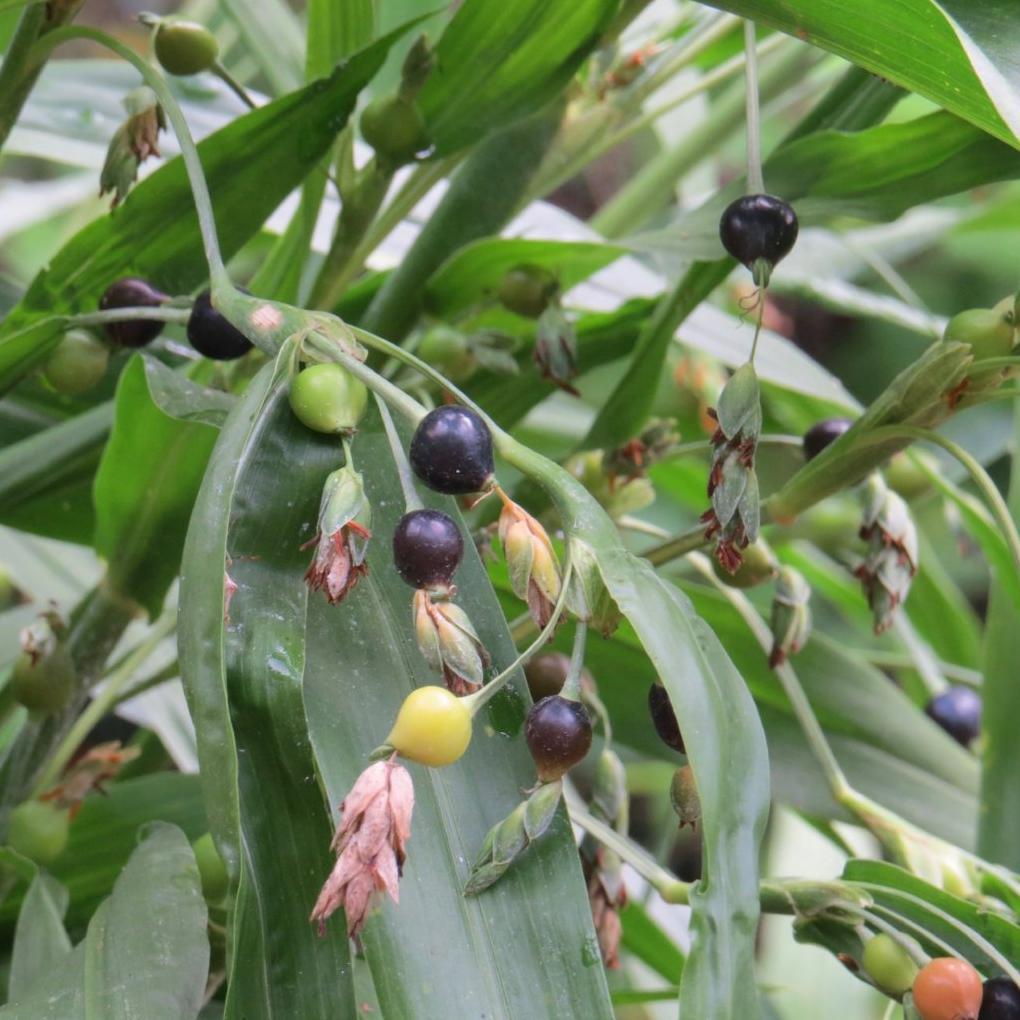


Kale Seeds
Antagonists: pole beans and strawberries.


Kohlrabi Seeds
Antagonists: fennel, pole beans, and tomatoes.


Last Chance Sale
View collection


Lavender Seeds
View collectionLeek Seeds
Antagonists: beans and peas.
*click product to see bulk sizes!


Lemon Balm Seeds
View collection

Lettuce Seeds
Nutrients: vitamins K (high), A and folate. Companions: beets, brassicas, carrots, onions, radishes, garlic. Antagonists: cabbage.


Liatris Seeds
View collection
Lima Beans
View collection


Lobelia Seeds
View collection


Lovage Seeds
View collection


Melon Seeds
Antagonists: potatoes.
Looking for watermelon seeds? Find our collection here!


Microgreen Seeds
View collection


Mixed Greens
View collection


More from Sow True Seed
View collection


Mountain Mint Seeds
View collection

Mullein Seeds
View collection

Mushroom Growing Supplies
Growing your own mushrooms is a perfect complement to the backyard food production system. When someone asks what they can grow in full shade, mushrooms are a great answer. Plugging a freshly felled limb or narrow trunk is an easy way to start. All mushroom plugs come with full instructions.


Mustard Green Seeds
What a wonderful kick a mustard green can provide to an otherwise mild tasting family of greens! It goes straightto the sinus with a powerful wasabi punch, and for many people that makes it a great addition to salads and slaws.Mustard greens loose the sharp pungent edge when cooked by themselves or with other brassicas like kale orcollards, either in a quick sauté or slow braise with some ham hock for a southern style dish.
Companions: beets, carrots, dill, lettuce, onions, spinach, tomatoes, nasturtium, cilantro.Antagonists: none known.


New Art Packets for 2025
View collection


NEW Branded Merch
Fresh new look. Same great seeds. Rep your favorite employee-owned seed company with our collection of new merch!
View collection


New for 2021
View collection


New for 2022!
We've added 22 exciting new seed varieties to our collection this year! Check them out below
View collection


New for 2023!
View collection


New for 2024
View collection


New for 2026
View collection


Nitrogen Fixing Cover Crops
View collection


Okra Seeds


Onion and Leek Starts
Pre-order Information
Pre-order for 2026 Onion and Leek Starts will be available on January 1st 2026
Estimated shipping window for Onion and Leek Starts March 9th - 20th 2026
View collection


Onion Seeds
Onions are the backbone to nearly any savory dish acting with such humility that they are often overlooked in the garden. While easy to grow from seed, the key is selecting the right type for the region. Long day onions tend to grow best in the North, when the longer days of summer trigger bulbing. Short day onions tend to grow best overwintered in the South when the shorter days of spring are enough to promote bulbing. Intermediate day onions fall more or less in the middle. And take heart! If all else fails, any onion can be pulled and eaten as a scallion. Nutrients: dietary fiber, vitamins C, B6, folate, manganese and calcium.
Companions: leeks, lettuce, parsnips, spinach, beets, carrots, tomatoes.
Antagonists: none known.


Organic Seeds
Organic seeds are grown using sustainable or regenerative farming methods. No pesticides, chemical fertilizers or GMOs are allowed in organic production. Farms are inspected regularly for compliance.
View collection


Parsnip Seeds
A cool weather, slow growing, white root crop that resembles its relative, the carrot. They are used in soups, stews, and casseroles to sweeten the taste. Delicious mashed with potatoes or oven roasted as parsnip fries. In fact, before potatoes were introduced to Europe, many dishes now made with potatoes were made with parsnips. The roots are very winter hardy, and their rich, nutty, flavor improves after a hard frost. They can be stored in the ground into the winter and harvested as needed.
Companions: garlic, peas, peppers, potatoes, onions, radishes.
Antagonists: none known.


Partridge Pea Seeds
View collection

Pea Seeds
Quick growing cool weather loving peas are an easy part of any garden. Just give them something to climb on and then swoop in for the harvest. Choose from three main types of peas: shelling, snow, and snap.
Companions: celery, chicory, radishes, turnips, beans, carrots, corn.
Antagonists: onions, garlic, and gladiolas.


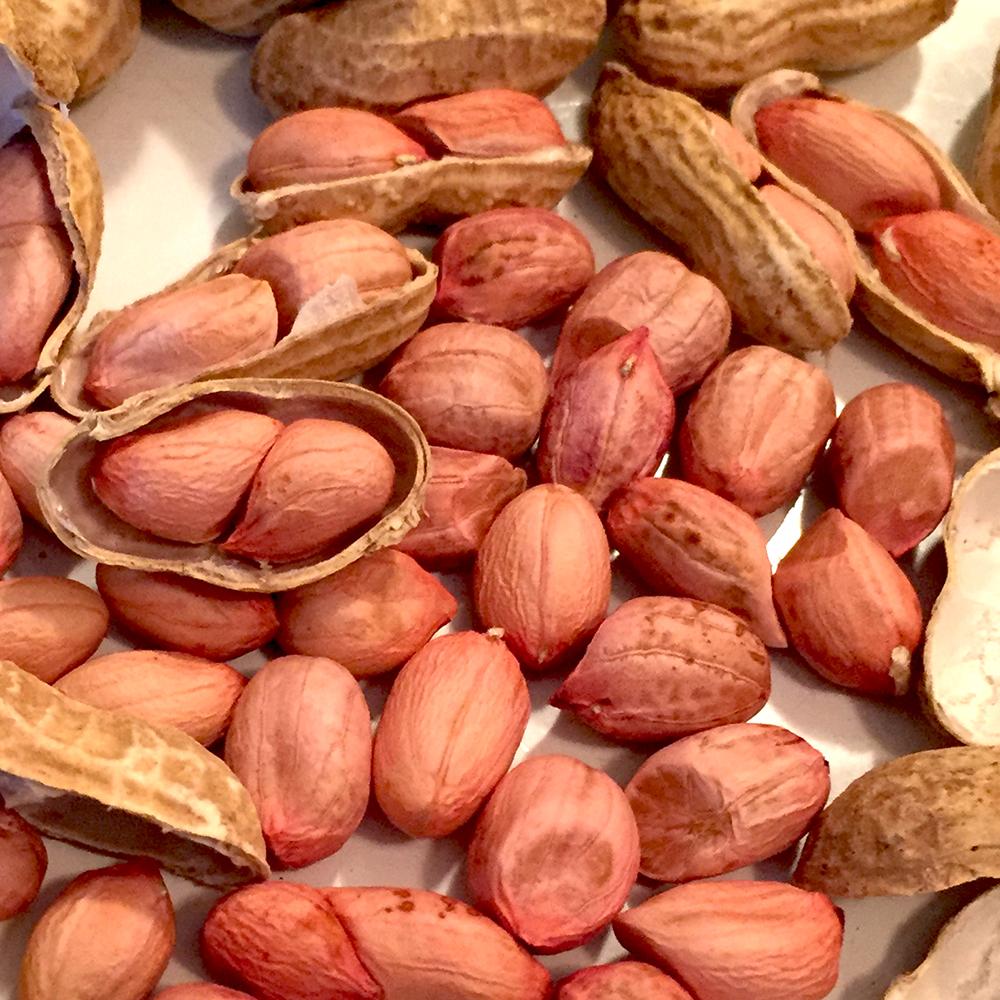
Pennyroyal Seeds
View collection

Penstemon Seeds
View collection

Pepper Seeds
Most sweet and hot peppers begin green and then ripen to a dizzying array of beautiful colors including red, orange, yellow, and purple. Any variety of sweet bell pepper can be harvested as a green bell pepper, or left on the plant to fully ripen, becoming sweeter, and more nutritious in the process. Hot peppers, often called chilies, can also be harvested at any stage in development and will sometimes take on new identities depending on whether they are harvested for fresh eating or dried. Ancho chilies, for example, are poblanos left to become red-ripe and then dried. Nearly every culinary tradition seems to have found a place for the joy (and occasional sorrow) of hot peppers, which are “hot” because they contain capsaicin, the oily substance that makes your tongue burn. One or two pepper plants will fit easily in any garden, and probably find its way into every dish!
Companions: carrots, eggplant, tomatoes, lovage, marjoram, oregano, basil, onions.
Antagonists: fennel, kohlrabi.


Perennial Onions
View collection


Perennial Potato Onions
Pre-order Information
Garlic Bulbs are available for pre-order starting January 1st, 2026
Quantity is limited, order early for the best selection!
Estimated shipping window for Garlic orders is October 5th - October 16th, 2026


Pest Management
View collection


Pole Beans
View collection


Pollinator Friendly
Birds, bats, bees, butterflies, beetles, and other small mammals that pollinate plants are responsible for bringing us one out of every three bites of food. They also sustain our ecosystems and produce our natural resources by helping plants reproduce.
This nearly invisible ecosystem service is a precious resource that requires attention and support - and in disturbing evidence found around the globe, is increasingly in jeopardy. You can plant these seeds to attract and feed pollinators! For more information on the importance of pollinators visit Pollinator Partnership.
View collection
Pollinator Friendly Cover Crops
View collection


Popcorn
View collection


Potatoes
Pre-order Information
Pre-order for 2026 Potatoes will be available on January 1st 2026
Estimated shipping window for Potatoes March 9th - 20th 2026
View collection


Pre-Order for Fall
These bulbs are planted in fall and harvested in spring and summer. Plan ahead, pre-order your fall bulbs, and thank yourself next year!
View collection


Pumpkin Seeds
What would harvest time look like without the pumpkins piled high in grocery stores and farm stands and carved on the lawn? Pumpkins are actually a type of nutritious squash commonly eaten around the world. In America we reserve the name pumpkin for round, orange squashes that are used for pies, soups and for carving. And don’t forget the seeds, which can be roasted and flavored in myriad ways.
Companions: basil, beans, cabbage, corn, eggplant, marigold, peas, squash.
Antagonists: cucumbers, pumpkins, sunflowers, and tomatoes.


Purslane Seeds
View collection

Radish Seeds
Oh there’s always room for radishes in the garden! A very easy-to-grow root crop popular around the world, try a making a quick glazed radish side dish from France or a pickled daikon from Japan. Coming in myriad shapes and colors, radishes make a flavorful addition to salads, stir frys, sautés, and braises.
Nutrients: vitamin C, K, B6, folate, potassium, calcium, and magnesium. Companions: beans, beets, carrots, chervil, nasturtium, parsnips, squash, spinach, lettuce. Antagonists: brassicas, grapes, hyssop, kohlrabi, potatoes, turnips.
View collection


Ramps Seeds
View collection
Rattlesnake Master Seeds
View collection
Rhubarb Crowns
Pre-order Information
Pre-order for 2026 Rhubarb Crowns will be available on January 1st 2026
Estimated shipping window for Rhubarb Crowns March 9th - 20th 2026


Root Crops
Most root crops enjoy the cooler weather of spring and fall, with many of them developing a sweetness that is hard to achieve without a frost or two! Each of the crops in this collection can be direct sown. At Sow True Seed we like to sow our root crops a little thick and then thin the seedlings for a bonus microgreen crop and then a second later thinning to mature spacing will also yield some edible greens!
View collectionRoselle Seeds
View collection


Runner Beans
View collection


Rutabaga Seeds


Saffron Crocus Bulbs
Pre-order Information
Available for pre-order starting January 1st, 2026
Quantity is limited, order early to secure your bulbs!
Estimated shipping window for Saffron orders is October 5th - October 16th, 2026


Salad Greens
Most of our traditional salad crops thrive in the cooler weather of spring and fall. In spring the warming weather will cause bolting for many salad greens like mizuna, lettuce and spinach. In fall, growth will slow as daylight hours drop, but many greens will survive frosty weather, with some cold hardy greens like spinach and kale lasting well into the winter.
This collections includes: Collards, Kale, Lettuce, Mizuna, Swiss Chard, Tatsoi, Cress and more.
View collection


Seasonal Plants, Tubers, Bulbs
Seed potatoes, seed garlic, flower bulbs, crowns, rhizomes, and transplants are seasonally available for preorder! Items ship alive in their season, please see pre-order and shipping timelines on individual product pages and refer to the included planting instructions upon delivery!
View collection


Seed Collection Boxes
Our brand new curated seed collection boxes take the guesswork out of creating your dream garden.
Whether you're starting from scratch with a container garden or looking to add to your pollinator plot, there's a seed collection box for you!
Each seed collection box contains 10 seed packets, feature unique artwork by individual artists and allow you to keep your seeds organized for long term storage and can be used year after year.


Seed Starting Supplies
View collection


Seed to Stratify
Seeds for Succession Planting
Lots of veggies we know and love will produce all season long, but others may have one big flush and be done for the year. Succession planting is the process of staggering the plantings of different crops so that they will mature at different times. This way you can plan to have beets, carrots, bush beans, and more throughout the growing season so you can utilize them to their fullest potential! This is a great way to have these veggies all season long, but it can also mean that instead of harvesting an unreasonable amount all at once and not knowing what to do with them, you can consume or store them gradually as they mature.
View collectionSeeds to start now!
Get a head start on the growing season with these varieties to start inside now, with the tools and supplies you'll need to make this your best season yet.
View collection


Shallots
Pre-order Information
Garlic Bulbs are available for pre-order starting January 1st, 2026
Quantity is limited, order early for the best selection!
Estimated shipping window for Shallot orders is October 5th - October 16th, 2026


Shirts and Tanks
View collection


Shiso Seeds
Shiso is a well-loved in Japan, where it is considered one of the dento yasai, or culturally important traditional vegetables. The leaves have a texture similar to mint, and a complex, citrusy flavor with hints of spice. In Japan, whole leaves of green shiso accompany sushi and sashimi, and chopped leaves flavor many other dishes. In the US, the herb has recently gained attention of mixologists for use in drinks, and chefs creatively using its unique flavor in desserts. It can add a little twist to just about any dish where you would usually use basil or mint.
View collection


Shop All Gifts
View collection


Shop All Supplies
View collection
Small Farm Grown Varieties
Sow True Seed is committed to sourcing as much of our seed as possible from small-scale growers. When it comes to agriculture, we believe small is resilient! When we buy from small farmers, we support stronger local food systems and while sourcing seed that is carefully selected and regionally adapted.
View collection


Soil Aerating Cover Crops
View collectionSoil Amendments
View collection


Soil Health
View collectionSoil Testing Supplies
View collection


Sorghum Seeds
Antagonists: wheat.


Southeast Native
View collection

Southern Pea Seeds
Antagonists: none known.


Soy Beans (Edamame)
View collection


Specialty Greens
View collection


Spilanthes Seeds
View collection

Spinach Seeds
Antagonists: potatoes.


Spring Cover Crops
View collectionSpring Direct Seed
View collectionSpring Garden
These are our favorite crops of spring! Some of them may have specific planting times or instructions so read the growing information carefully.
View collection
Spring Plants and Bulbs
View collection
Get your potatoes, strawberries, asparagus, onions, leeks, rhubarb and ground nuts now!


Sprouting Seeds
Sprouting seeds are an easy and fun way to introduce some healthy home grown food into your life. All our seeds are USDA Organic and FDA approved for sprouting.
View collection


Squash and Gourd Seeds
Squash Seeds: These bushy or vining plants are found in every garden, often volunteering to guard the compost pile with large spreading leaves. Contrary to the name, winter squash is actually grown in the summer, started the same time as summer squash, but it takes much longer to mature. When it is ripe the fruits will have a hard outer shell and store all winter. Pumpkins are a type of winter squash that tends to be singled out for the orange rind and round shape. Summer squash are the same species as many winter squash but they are eaten at the immature stage, when the skin is still very delicate & tender.
Squash Companions: beans, celery, corn, dill, nasturtium, onions, cucumbers, mint, marigold, oregano, borage.
Squash Antagonists: cabbage and potatoes.
Gourd Seeds: For thousands of years gourds have held limitless potential for human creativity. They can be turned into bowls, bottles, birdhouses, toys, cups, ladles, instruments, scrubbers, and anything else one could imagine. The fruit is usually not edible and should be left on the vines until the rind is dry and hard with a lightweight feeling. When the seeds rattle, the gourds are ready for crafting.
Gourd Companions: radish, catnip, broccoli, tansy, dill and marigold.
Gourd Antagonists: none known.


Squash Seeds
These bushy or vining plants are found in every garden, often volunteering to guard the compost pile with large spreading leaves. Contrary to the name, winter squash is actually grown in the summer, started the same time as summer squash, but it takes much longer to mature. When it is ripe the fruits will have a hard outer shell and store all winter. Pumpkins are a type of winter squash that tends to be singled out for the orange rind and round shape. Summer squash are the same species as many winter squash but they are eaten at the immature stage, when the skin is still very delicate & tender.
Companions: beans, celery, corn, dill, nasturtium, onions, cucumbers, mint, marigold, oregano, borage.Antagonists: cabbage and potatoes.


Squash, Summer
View collection

Squash, Winter
View collection


St. John's Wort Seeds
View collection


Start Now, Harvest Later
These crops need to be started ahead of their growing season in order to thrive and reach maturity in many growing zones! How early that is depends on your zone - so compare your frost dates to the days to harvest information found on your seed packets and start your seeds at the perfect time!
View collection


Stickers, Magnets + More
View collection
Stinging Nettle Seeds
View collectionStrawberry Plants
Pre-order Information
Pre-order for 2026 Strawberry Plants will be available on January 1st 2026
Estimated shipping window for Strawberry Plants March 9th - 20th 2026


Summer Cover Crops
View collection

Summer Direct Seed

Summer Garden
These are our favorite crops of high summer! Some of them may have specific planting times or instructions so read the growing information carefully.
View collectionSummer Savory Seeds
View collection

Summer Spinach
View collection


Summertime Flash Sale 2023


Sweatshirts
View collection


Sweet Corn
View collection


Sweet Peppers
View collection


Sweet Potato Slips
Pre-order Information
Pre-order for 2026 Sweet Potato Slips will be available on January 1st 2026
Estimated shipping window for Sweet Potato Slips June 1st - 12th 2026
Due to the perishable nature of sweet potato slips, all orders of sweet potatoes will ship via USPS priority mail or UPS ground. This will help ensure that your sweet potato slips arrive at your door happy, healthy and ready for planting.
Find our Sweet Potato Growing Guide here!
View collection


Swiss Chard Seeds
Antagonists: Cucumbers, melons, and herbs.


The Ark of Taste
The Ark of Taste is a living catalog of delicious and distinctive foods facing extinction. By identifying and championing these foods, we keep them in production and on our plates. Learn more at Slow Food USA.


The Bradford Family Farm Collection
View collection


Tomatillo Seeds
Antagonists: pole beans, dill, fennel, potatoes, corn


Tomato Seeds
The first bite of a friend or family member's homegrown tomatoes is the clarion call to gardening for many people. That incomparable flavor of a fresh tomato straight out of the garden makes it totally worth babying these plants along for months - and let’s be honest, tomatoes take a little babying! These plants are native to the arid uplands of Latin America, and were probably first domesticated in Mexico. They do best when given a sturdy trellis and regular pruning for good airflow, and just enough (but not too much) water. Varieties are either determinate, meaning they set their fruit all at once and then stop producing, or indeterminate, meaning they continually grow and flower and set fruit gradually until the plant dies. Determinate varieties tend to be better for small spaces, since the vines don’t sprawl as far. If you’re growing in a container, try a dwarf variety - they often don’t even need a trellis!
View collection


Tools
View collection
Tools and Gloves for Kids
View collection


True Spinach
View collection

Turmeric Rhizomes
Pre-order Information
Pre-order for 2026 Turmeric Rhizomes will be available on January 1st 2026
Estimated shipping window for Turmeric Rhizomes March 9th - 20th 2026
View collection


Turnip Seeds
Antagonists: mustard greens.


Valerian Seeds
View collection

Vegetable Seed Collection Boxes
Hand-curated and designed seed collections. Check out all of our seed collection boxes here!
View collection


Vegetable Seeds
Our open-pollinated and heirloom vegetable seeds are hand-selected specifically for your garden.
Regardless of which crop you’re looking to grow, we’ve got you covered.
Growing high-quality, organic vegetable seeds becomes easy with Sow True Seed. On each product page, scroll down to find extensive growing information. Looking for more? Browse our Garden Blog or Learn to Grow webpage for even more educational resources for the garden!
In today’s digital age, convenience is of the utmost importance! We offer our vegetable seeds for sale online or in person at our storefront in Asheville, North Carolina. We also offer a wide selection of herb seeds and flower seeds as well as garden supplies, gifts, and live plants, all available online or in-person.
When you browse our collection of vegetable seeds, you’ll find a wide array of varieties for any taste. From our beloved basics like Cherokee Purple tomatoes and Muncher cucumbers to our more unique Rainbow Blend of carrots or Candy Roaster squash. There’s something for everyone in our seed catalog.
As always, Sow True Seed is here to support you and your garden. Don’t hesitate to reach out with any questions you have and our team will be happy to help! Just shoot us an email at info@sowtrue.com.
View collection
Vegetable Seeds, A - B
View collectionVegetable Seeds, C - K
View collectionVegetable Seeds, L - P
View collection


Vegetable Seeds, Q - Z
View collection


Victory Garden Selects
View collection


Watermelon Seeds
Oh the glory days of summer! Vine-ripened, homegrown watermelon is one of the greatest pleasures of earthly existence. While most are familiar with crimson red flesh and bright green rinds, watermelon actually come in a wide range of colors and sizes. A simple slice will suit most, but for those looking for new preparations, try it with salt and chili powder, a common street food in Latin America, preserved as jam for the winter, or a jar of pickled rinds to go with a bit of ham. And, while everyone has their own method to check for ripeness, an old method is to harvest when the tendril opposite the fruit stem had dried up.
Nutrients: vitamins A and C (very high) B6, thiamin, pantothenic acid, potassium, magnesium, copper, phosphorous.
Companions: Potatoes, Lambs Quarters. Antagonists: none known.


Wheat Seeds
View collection


Wholesale - New for 2025
View collection


Wholesale - Sprouting Seeds
View collection
Winter Squash Seeds
View collection


